
Bladder meridian pathway
The Bladder meridian, foot Taiyang, begins at the inner canthus of the eye at the point Jingming.
It rises on the forehead, passing through the inner end of the eyebrow.
It goes back over the skull and, at the level of the apex (the top of the skull), passes through Baihui (point of the Dumai meridian).
It continues along the skull down to its base at the back, at the point Tianzhu.
It descends along the nape of the neck and, at the level of C7-T1, sends a branch through Dazhui before descending.
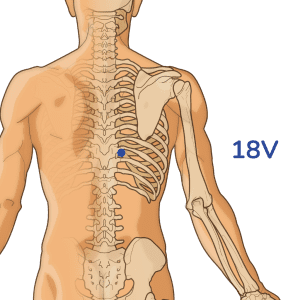
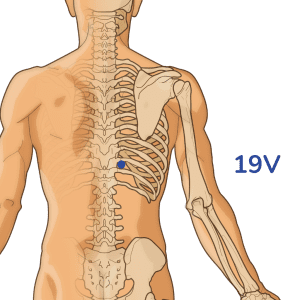
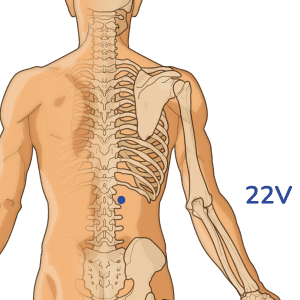
It then runs along the whole spine (thoracic and lumbar), 1.5 cun lateral to the spine.
At the level of the L2 vertebra, at the point Shenshu, it sends an internal branch that couples with the Kidney and connects with the Bladder.
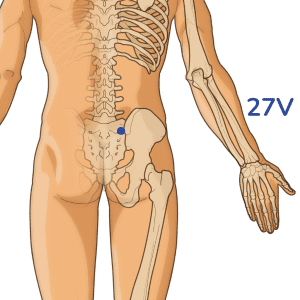
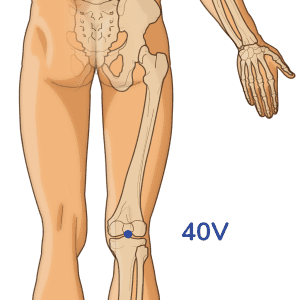
It crosses the sacrum and descends along the back of the thighs to the middle of the popliteal fossa, at the point Weizhong.
A second branch leaves the main pathway at the level of the nape, descends all along the spine, 3 cun from it.
It crosses the buttock and descends along the back of the thigh to join the first branch at the point Weizhong.
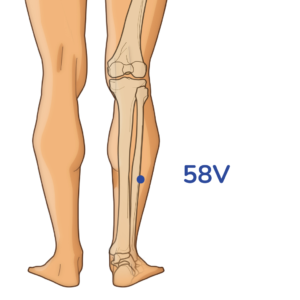
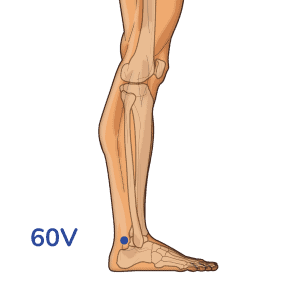
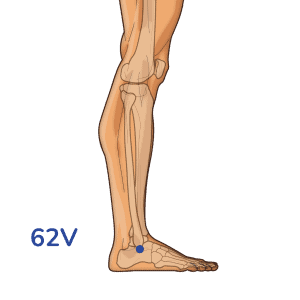
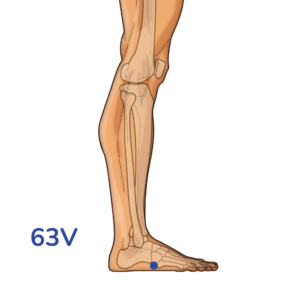
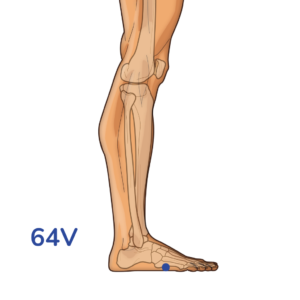
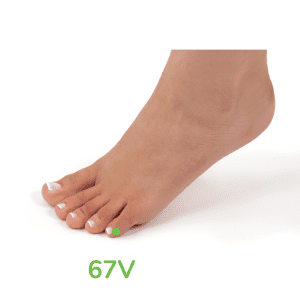
From the point Weizhong, only one branch remains; it descends, crosses the middle of the posterior and then posterolateral side of the leg, passes behind and then below the lateral malleolus, runs along the outer edge of the foot and ends at the outer nail corner of the 5th toe at the point Zhiyin.
It is at the point Zhiyin that the direct connection is made with the Kidney meridian, at the point Yongquan.
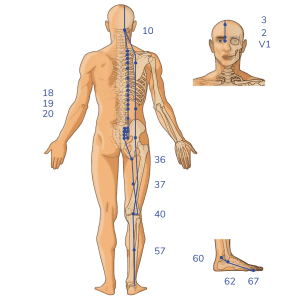
Bladder meridian acupuncture points
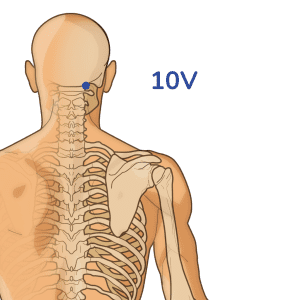
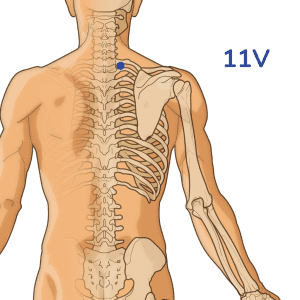
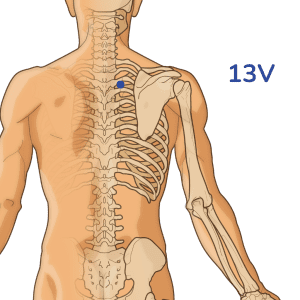
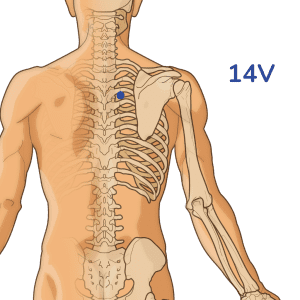
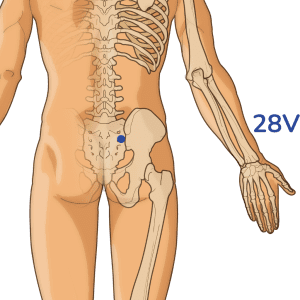
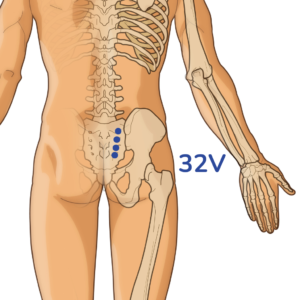
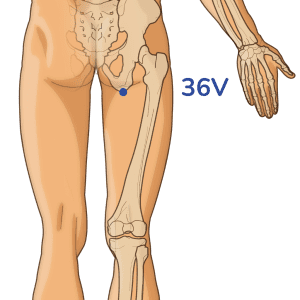
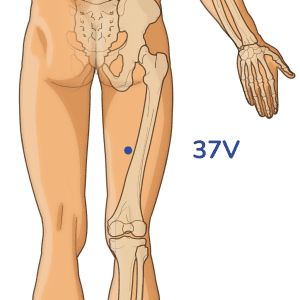
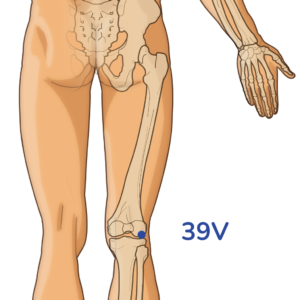
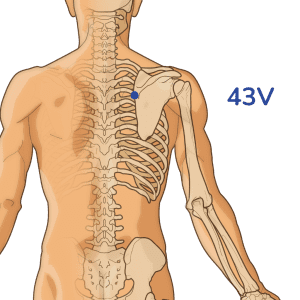
The Bladder meridian has 67 acupuncture points; here are the main ones
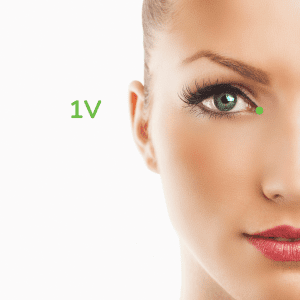
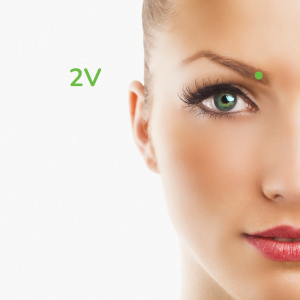

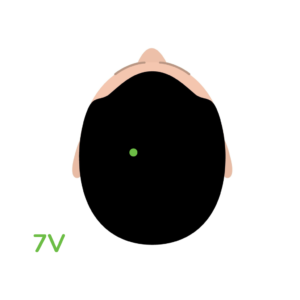











Bladder meridian description
The Bladder is very closely related to the Kidney (exterior-interior relationship).
It is the official in charge of reservoirs.
Its functions are to retain and eliminate urine.
It ensures opening (releasing fluids) and closing (retaining fluids). The retention of fluids depends on the holding power of Kidney Qi. Elimination depends on the Qi Hua of the Kidney.