
Xi, cleft points – Xi Xue
Xi points, also known as “crack points” or “emergency points,” are acupuncture points where the Qi and Blood of a meridian are deeply concentrated, as if constricted within a…

Traditional Chinese medicine is based on a view of the body very different from that of Western medicine. Its fundamental concepts, such as Qi, Blood, Shen, Jing, the meridians and the balance between the organs, explain how acupuncture and Tuina massage work.
In this section, I explain these foundations simply. In particular, you will find the main families of acupuncture points, used with needles as well as in massage.
To see how these principles are applied in a session, visit my page on traditional Chinese medicine in Courbevoie.
These articles are for information only and do not replace medical advice.
Xi points, also known as “crack points” or “emergency points,” are acupuncture points where the Qi and Blood of a meridian are deeply concentrated, as if constricted within a…

In acupuncture, the five ancient Shu points refer to a group of specific points on the 12 main meridians. These are distal points distributed along the extremities of the four…

The points MU so -called collection points are acupuncture points located on the thorax and the abdomen, which are of great importance in Chinese medicine. Let's see together what is ...
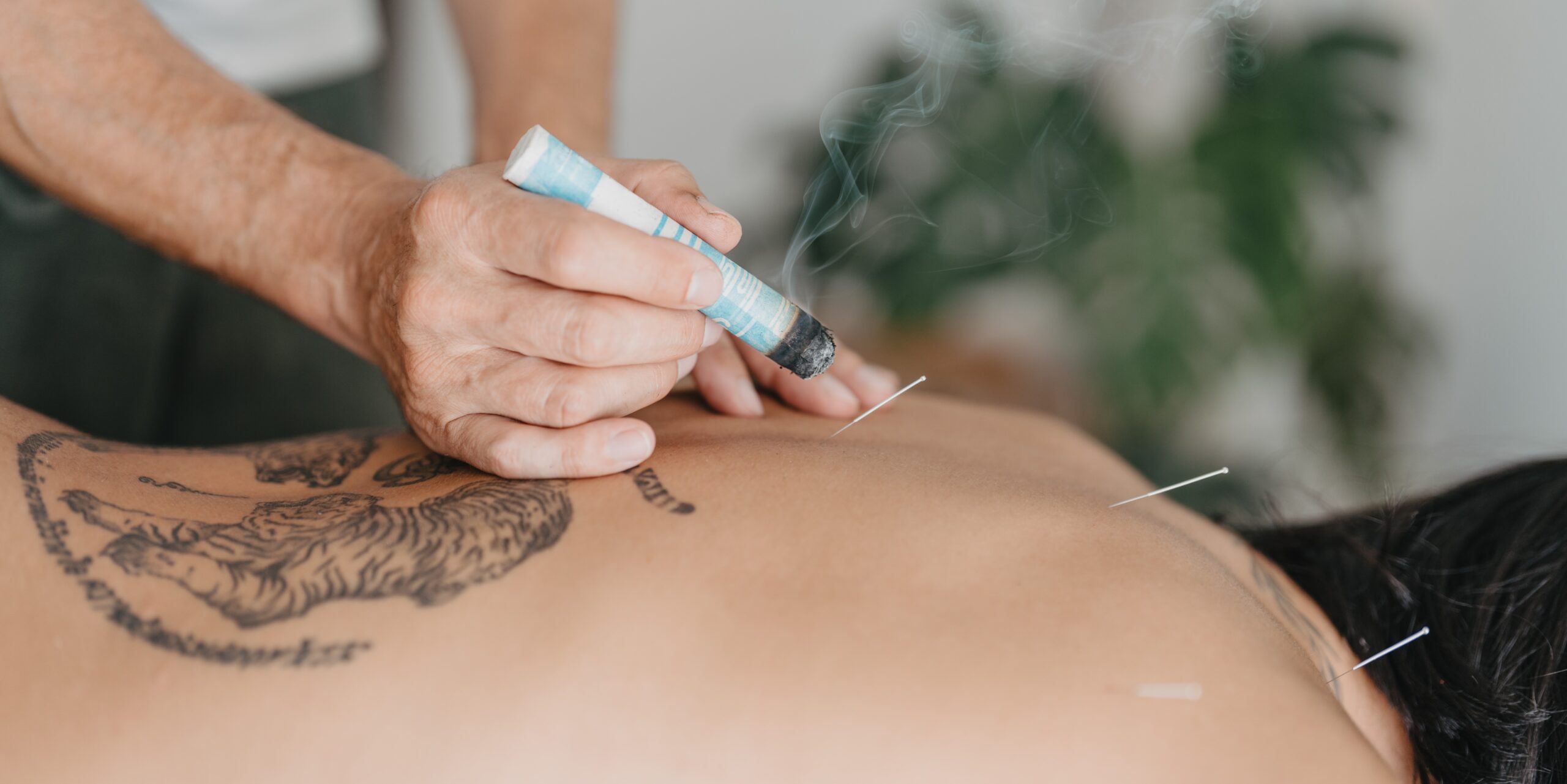
Acupuncture is a key component of traditional Chinese medicine (MTC) for thousands of years to promote healing. Despite its old origins, this practice continues to be ...

The Bei Shu points are acupuncture points located on the back, on both sides of the spine, which are of great importance in Chinese medicine. Let's see ...

Qi is an imperceptible, subtle substance considered to be both unique and plural. Generally translated by energy, the main characteristic of this matter is perpetual movement.…