

Acupuncture: principles and applications
Acupuncture is a key component of traditional chinese medicine (TCM) which has been practiced for thousands of years to promote healing. Despite its ancient origins, this practice continues to be relevant and effective in treating various ailments in the modern world. Here is a look at the basic principles, benefits, and integration of acupuncture into Western medicine.
Summary
- History and principles of acupuncture
- Applications of acupuncture
- Integration of acupuncture into Western medicine
History and principles of acupuncture
acupuncture has its roots in China, where it has been practiced for over 2,000 years. The technique is based on the idea that the human body contains flows of vital energy, called 'Qi', which circulates along specific routes called meridians. When the flow of Qi is disturbed, imbalances occur, leading to disease.
Acupuncture practitioners insert thin needles into specific points on the body, known as acupuncture points, to restore the balance of Qi. Each point is selected according to the patient's symptoms and health status. The needles can be manipulated in different ways to stimulate the flow of energy.
We base ourselves on the yin and Yang theory and on the 5 movements theory . Yin and Yang represent the opposing and complementary forces of the universe, the balance of which is essential for health. The Five Movements—Fire, Earth, Metal, Water, and Wood—are elements that interact to maintain harmony in the body. These principles underlie the choice of acupuncture points and the techniques used to restore energetic balance, a topic I will explore in more detail in a future article.
Applications of acupuncture
This method, which includes the use of acupuncture needles as well as other tools such as moxibustion, suction cups or the guasha, has the advantage of being able to treat a wide range of diseases.
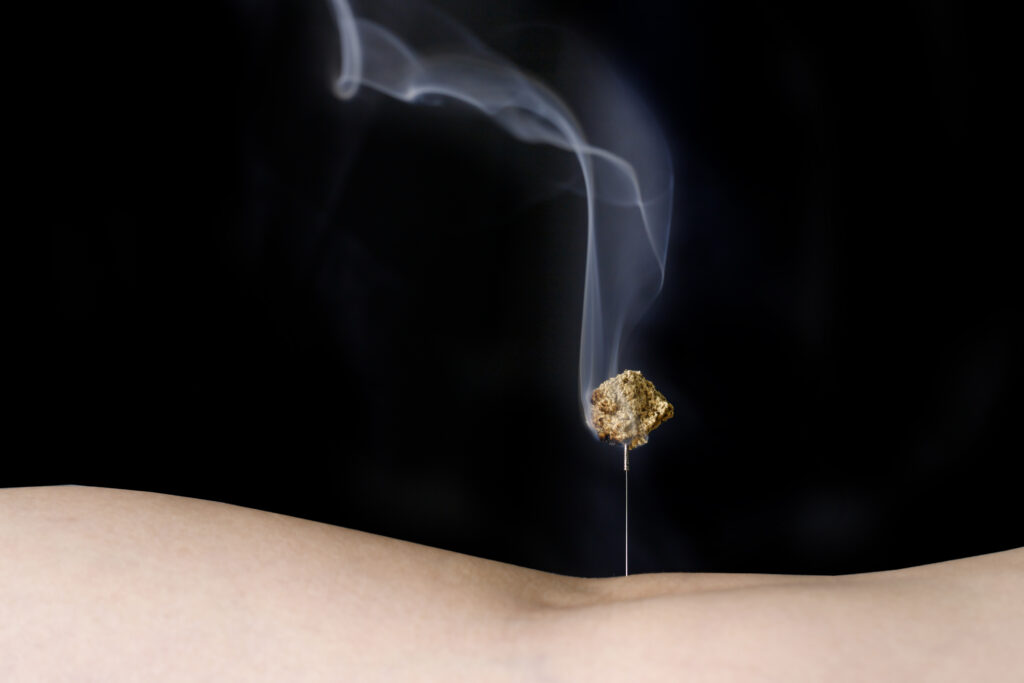
Here are some examples where acupuncture can be of invaluable help:
- pain management : Acupuncture is particularly recognized for its effectiveness in pain management, whether it is back pain, joint pain (knee, neck, tennis elbow…), migraines or chronic pain;
- stress and anxiety reduction : By balancing Qi, acupuncture helps reduce stress and anxiety levels. Patients often report a feeling of calm and relaxation after a session. It also helps in the treatment of emotional disorders such as depression or addiction ;
- sleep quality improvement : Many people with insomnia or sleep disorders find that acupuncture improves the quality of their sleep. Treatments can regulate sleep cycles and promote deep relaxation;
- digestive disorders treatment : such as irritable bowel syndrome, nausea and vomiting, can be relieved by acupuncture. The latter helps to regulate the digestive system and improve intestinal functioning;
- gynecological disorders : acupuncture can help regulate the menstrual cycle and reduce associated pain. It is also used to support women during the pregnancy and facilitate the process of preparing for childbirth;
- dermatological diseases treatment : such as eczema, psoriasis and hives, it can help alleviate symptoms by regulating the body's internal balance.
Integration of acupuncture into Western medicine
Today, acupuncture is widely recognized and integrated into modern medical practices. Many health professionals recommend acupuncture as an adjunct to conventional treatments for a variety of conditions. For example, it is frequently used in oncology to help manage side effects of cancer treatments, such as chemotherapy-induced nausea.
In addition to its effectiveness, acupuncture has the advantage of not having side effects like medications. It calls on the own resources of the person who wants to get better.
To learn more about the meridians used in acupuncture, I invite you to get my illustrated book Meridians and acupuncture points in Chinese medicine.
Take care of yourself 🙏🏼
Share this article with your friends and loved ones 🙂


