
Path of the stomach meridian
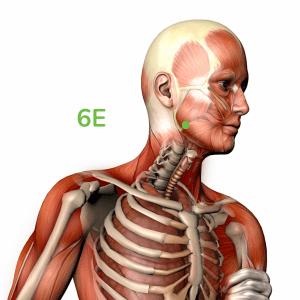
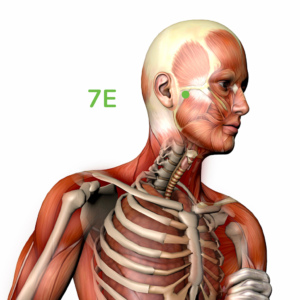
The stomach meridian, Yangming from foot, starts at the point Yingxiang, it rises under the eye to the point Chengqi then will go down along the face. It will pass outside the corner of the lips.
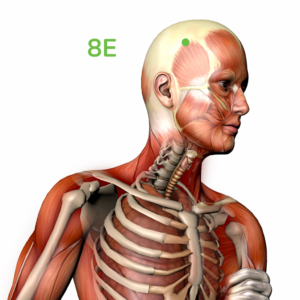
Arriving at the level of the mandible, it will follow it going backwards to its posterior angle. Then it will go up along the skull to the top at the point Touwei.
In the middle of the mandible, there is a branch that goes down the neck.
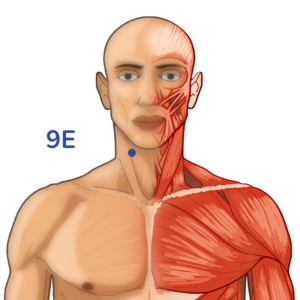
She will join Dazhui, then leaves towards the front then it penetrates internally through the point Quepen to make its visceral connections or to bind to the stomach and to couple with the Spleen.
From Quepen, I have a branch which goes externally down along the thorax at the height of the nipple line (4 cun from the body axis), arriving at the abdomen it passes 2 cun from the body axis, then goes down along the stomach.
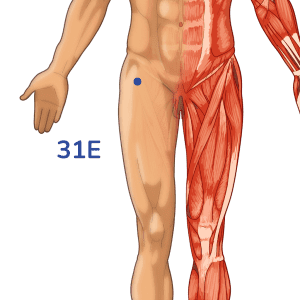
The meridian then descends down the middle of the groin crease to the point Qichong.
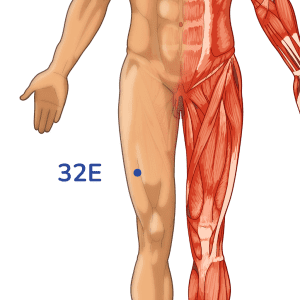
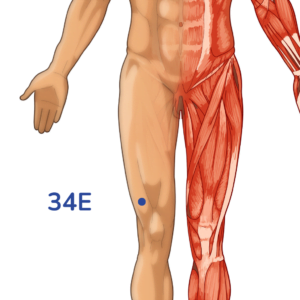
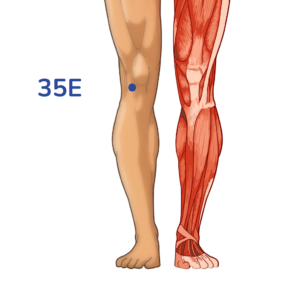
From there, it will cross the anterior part of the outer face of the thigh, the knee, the leg. Then it will pass through the middle of the instep, then it will cross the dorsal side of the foot to end at the external nail angle of the 2th toe.
To the height of Zusanli, located at the level of the leg, we have a branch which leaves the path of the meridian and which will join the external nail angle of the 3th toe.
On the main path on the back of the foot, we have a relay branch which will join the big toe and join the Spleen.
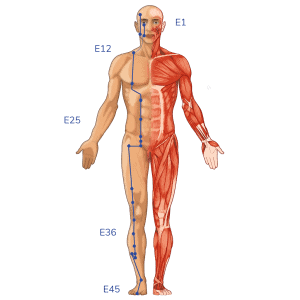
Acupuncture points of the stomach meridian
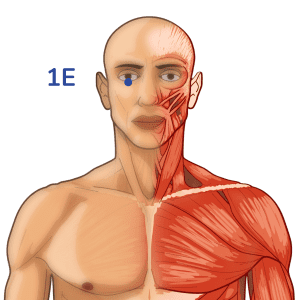
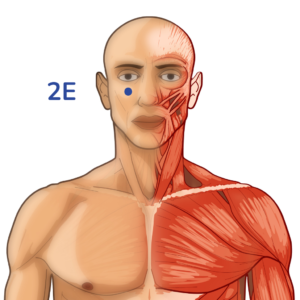
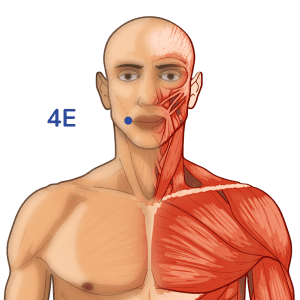
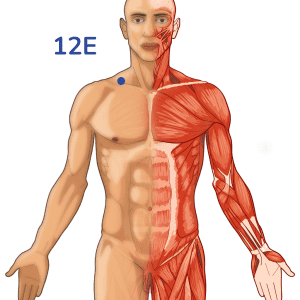
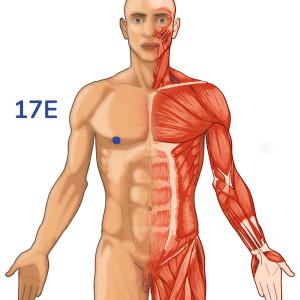
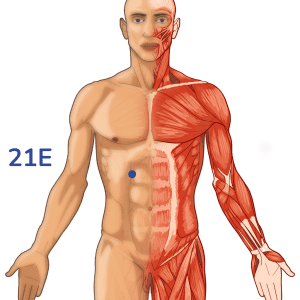
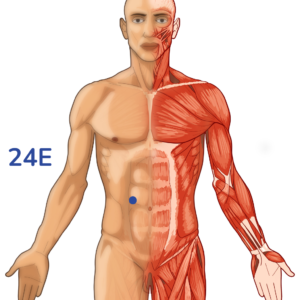
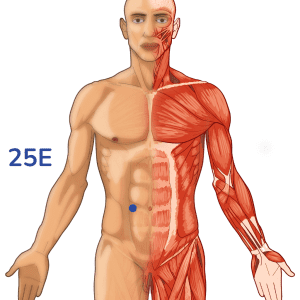
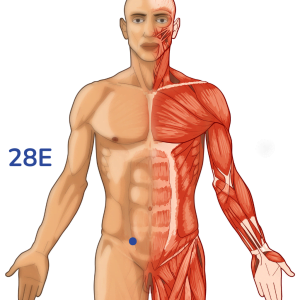
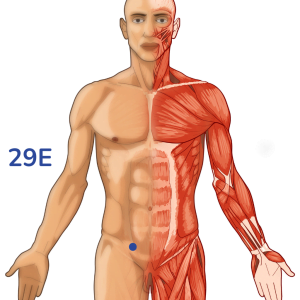
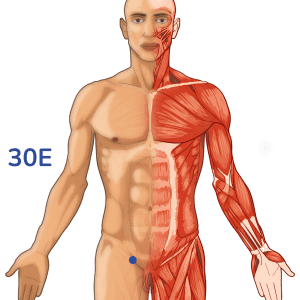
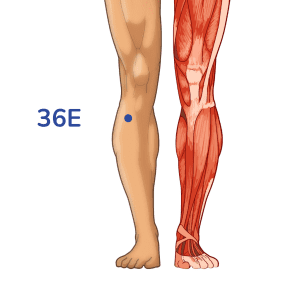
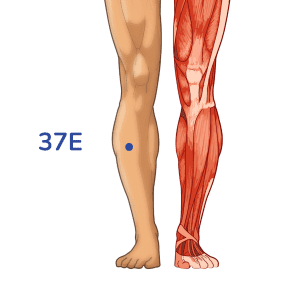
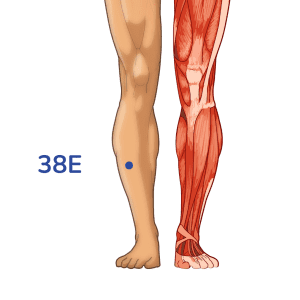
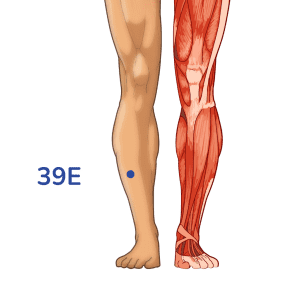
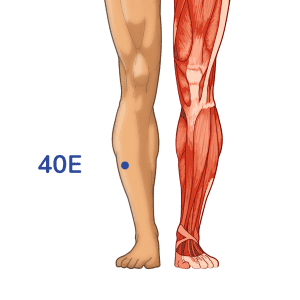
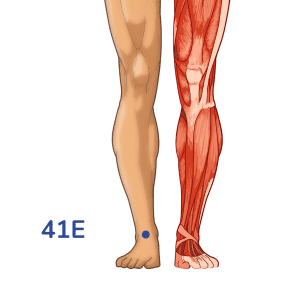
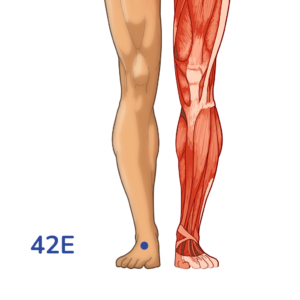
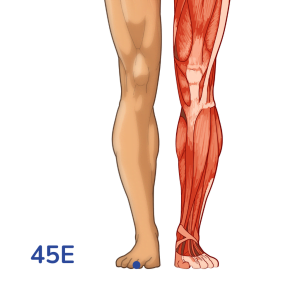
Description of the stomach meridian
The stomach corresponds to the central organ of digestion, the sea of food, the great granary. Located at the level of the middle hearth with the spleen, it also belongs to the earth but dry, rather yang as viscera.
Its main functions are receiving food and breaking down food.
Its characteristics: itis the official in charge of supplies and granaries. Its Qi descends in cooperation with the spleen which it causes to rise. This downward movement includes the descent of the disorder to the Small Intestine but also to the Large Intestine.
If the Qi in the stomach does not descend, it will stagnate, but the viscera must always be cleared. There may be appearance of abdominal distension, pain, swelling or constipation.
If it stagnates but also the Qi rises in the opposite direction, there may be nausea, vomiting, belching (burps) or hiccups. It likes humidity but hates dryness, its functions will depend on Qi Hua (yang part) of the stomach but also on humidification by the yin part of the stomach.
If the appetite is good, it means that the reception of food is good.
Food decomposition
1st transformation in the stomach into a kind of mush from which the nutrients will be extracted by the spleen and the rest will be sent To the small intestine where the 2nde digestion/transformation will occur. This decomposition function is essential because it produces the nutrients from which Qi and Blood will be produced. The root of man is the Stomach Qi. Stomach Qi is the root of the 5 organs.